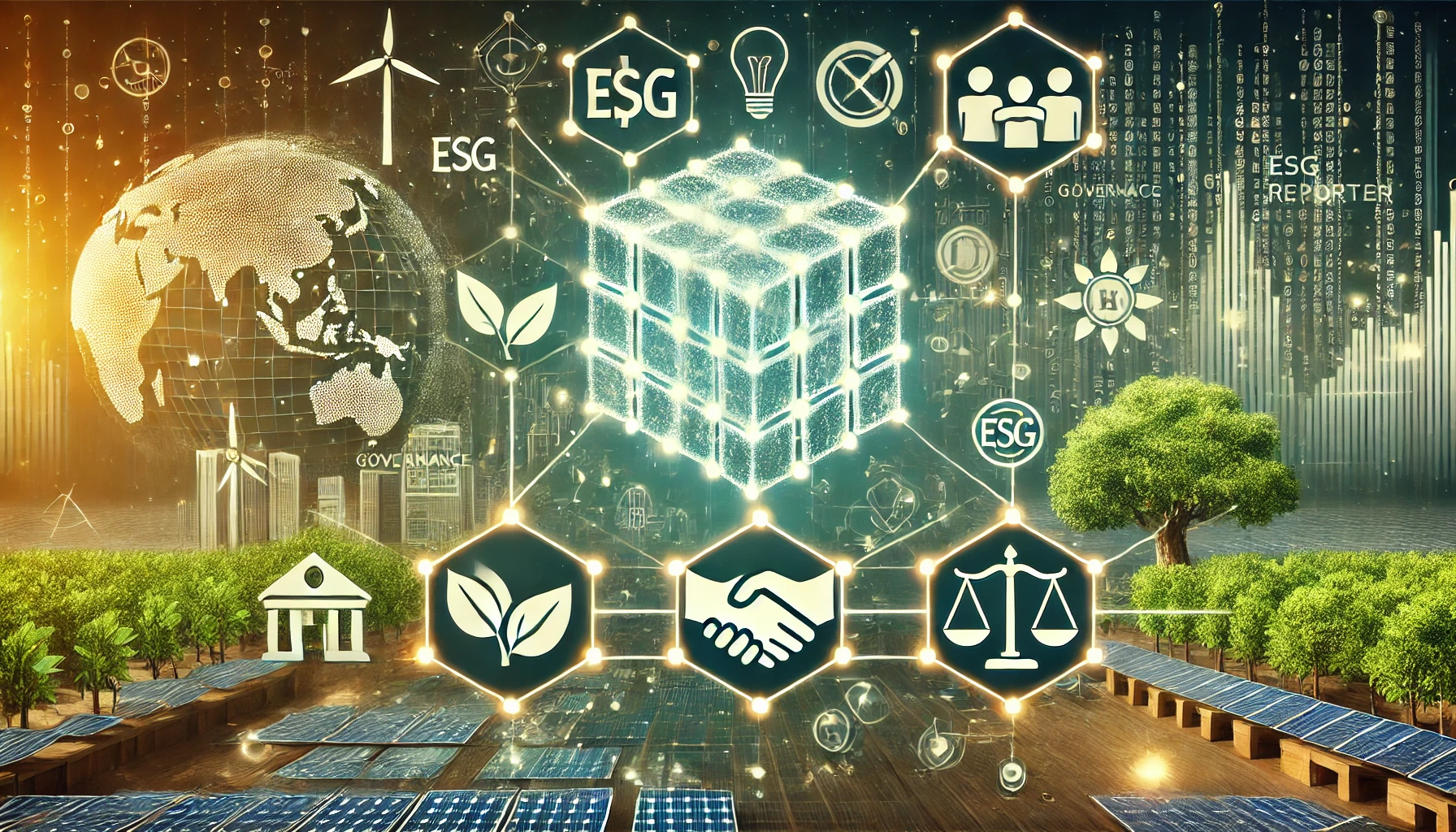

As climate commitments tighten and ESG standards become more than just marketing buzzwords, carbon markets are undergoing a quiet but powerful transformation. One of the most promising developments is the tokenization of carbon credits, bringing environmental assets directly onto blockchain networks and enabling transparent, on-chain trading at a global scale.
This convergence of sustainability and decentralized finance is reshaping how carbon credits are issued, tracked, and exchanged—potentially unlocking a more efficient and trustworthy green economy.
What Are Tokenized Carbon Credits?
Traditional carbon credits represent the right to offset one metric ton of CO₂ emissions. These credits are typically issued by registries, sold through brokers, and tracked in fragmented databases that can be opaque, slow, and difficult to audit.
Tokenization changes this model entirely.
By converting carbon credits into digital tokens on a blockchain, each credit becomes:
-
Traceable from issuance to retirement
-
Immutable, reducing fraud and double-counting
-
Programmable, enabling automation and smart contracts
Every transaction is recorded on-chain, creating a verifiable trail that regulators, investors, and corporations can independently audit.
Why On-Chain Carbon Trading Is Gaining Momentum
The rise of tokenized carbon credits isn’t happening in isolation. Several macro trends are accelerating adoption:
1. Demand for ESG Transparency
Investors and institutions are under increasing pressure to prove—not just claim—their ESG impact. On-chain carbon credits offer real-time verification and clear provenance, making sustainability reporting far more credible.
2. Improved Market Efficiency
Blockchain-based marketplaces reduce intermediaries, lower settlement times, and increase liquidity. Carbon credits can be traded 24/7, fractionally owned, or bundled into structured products.
3. Global Accessibility
On-chain trading opens carbon markets to a broader audience, from institutional investors to climate-focused DAOs, enabling global participation without traditional barriers.
4. Alignment With Real-World Asset (RWA) Tokenization
Carbon credits fit naturally into the expanding RWA ecosystem, where real-world environmental and financial assets are represented digitally to bridge traditional finance and Web3.
Sustainability Meets DeFi
One of the most compelling aspects of tokenized carbon credits is their integration into decentralized finance. These tokens can be:
-
Used as collateral in DeFi protocols
-
Integrated into automated offset mechanisms
-
Embedded into smart contracts that retire credits automatically upon emissions events
This creates entirely new sustainability-driven financial primitives, where environmental impact and financial activity are directly linked.
Challenges Still Remain
Despite growing traction, the sector faces key hurdles:
-
Standardization across registries and blockchains
-
Regulatory clarity in different jurisdictions
-
Quality assurance to ensure tokenized credits represent real, verifiable offsets
Addressing these challenges will be critical to prevent greenwashing and to build long-term trust in digital carbon markets.
The Road Ahead
Tokenized carbon credits are emerging as one of the most practical and impactful use cases for blockchain technology. By combining transparency, automation, and global accessibility, on-chain carbon trading has the potential to modernize environmental markets and accelerate progress toward climate goals.
As sustainable finance continues to evolve, carbon credit tokenization may prove to be a cornerstone of how the world measures, prices, and manages environmental responsibility in the digital age.