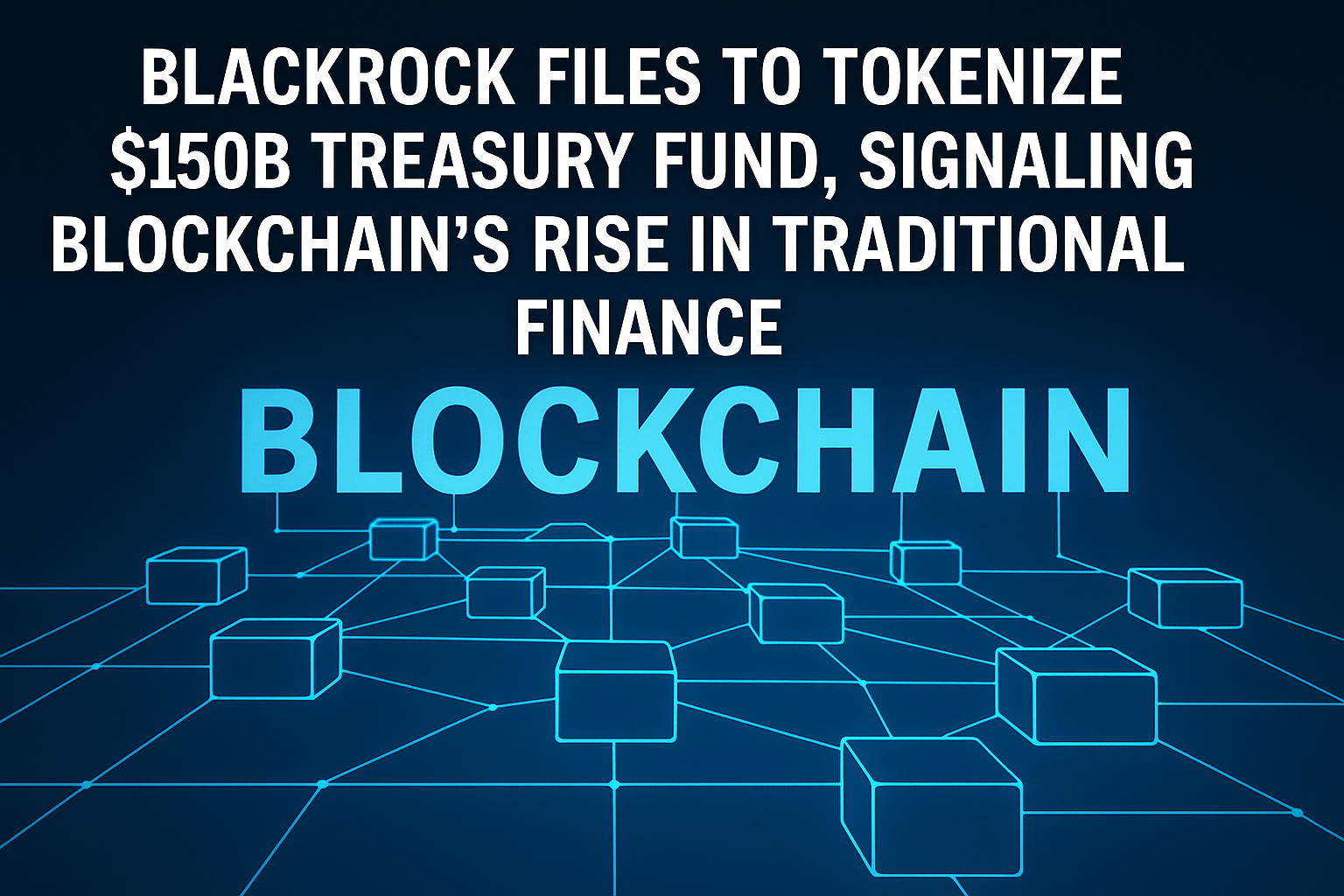

As global digital asset markets mature, 2026 is shaping up to be a defining year for regulatory clarity and structural standardization. Around the world, organizations, policymakers, and industry leaders are accelerating efforts to build comprehensive tokenization frameworks that clearly classify and regulate tokenized assets. The objective is simple but critical: strengthen market integrity, ensure compliance, and unlock the full potential of real-world asset (RWA) tokenization.
Why Tokenization Needs Clear Frameworks
Tokenization — the process of representing ownership rights to assets on blockchain networks — has moved far beyond experimentation. Today, everything from real estate and commodities to bonds and private equity is being tokenized. Platforms built on networks like Ethereum and other enterprise-grade blockchains have made it technically feasible to fractionalize ownership, automate settlement, and create programmable financial instruments.
However, while the technology has advanced rapidly, regulatory definitions have often lagged behind. A central question remains: when does a token represent a security, a commodity, a utility, or something entirely new?
Without consistent classification standards, institutional adoption slows. Legal ambiguity introduces risk. Investors hesitate. Market participants demand predictability.
This is why 2026 is increasingly viewed as the year of framework consolidation.
From Regulatory Uncertainty to Structured Classification
Financial authorities and standard-setting bodies are working toward harmonized models that address:
Asset classification standards
Investor protection mechanisms
Custody and settlement requirements
Cross-border compliance interoperability
On-chain disclosure standards
In the United States, agencies such as the U.S. Securities and Exchange Commission continue refining guidance around digital asset securities. In Europe, the implementation of Markets in Crypto-Assets Regulation (MiCA) represents one of the most comprehensive attempts to regulate crypto assets under a unified framework.
These developments signal a transition from reactive enforcement to proactive structure-building.
Strengthening Market Integrity
Clear tokenization frameworks are not about restricting innovation — they are about enabling sustainable growth.
When asset categories are clearly defined:
Issuers can design compliant token offerings.
Institutional investors can allocate capital confidently.
Custodians can build regulated storage solutions.
Exchanges can implement standardized listing criteria.
This enhances transparency across the ecosystem. Blockchain already provides immutability and auditability. Regulatory clarity complements this by establishing enforceable legal rights tied to digital ownership structures.
For real-world asset markets, this is transformative.
Scaling Real-World Asset (RWA) Markets
Tokenized bonds, real estate shares, carbon credits, and trade finance instruments are increasingly entering blockchain ecosystems. Analysts estimate that trillions of dollars in traditionally illiquid assets could migrate to tokenized infrastructure over the coming decade.
Framework development supports this expansion in several ways:
Legal Recognition of Digital Ownership
Clear statutes define whether token holders possess enforceable claims.
Operational Standardization
Smart contracts can align with regulated reporting standards.
Institutional Risk Mitigation
Compliance clarity lowers reputational and legal exposure.
Global Interoperability
Harmonized definitions allow cross-border tokenized markets to function efficiently.
Without these pillars, large-scale adoption remains fragmented.
Bridging Traditional Finance and Digital Infrastructure
Perhaps the most significant impact of clearer tokenization frameworks is the bridge they create between traditional finance (TradFi) and decentralized finance (DeFi).
Banks, asset managers, and custodial institutions require regulatory certainty before integrating blockchain infrastructure into core operations. As frameworks mature, tokenized securities and digital asset instruments may increasingly coexist with conventional financial products.
This convergence could reshape capital markets by:
Reducing settlement times
Lowering operational costs
Increasing liquidity through fractionalization
Expanding global investor access
Importantly, regulatory clarity does not eliminate innovation — it channels it responsibly.
Compliance as a Growth Catalyst
There was once a perception that regulation slows blockchain innovation. The 2026 outlook suggests the opposite. Clear classification frameworks can act as catalysts for growth by:
Attracting institutional capital
Reducing systemic risk
Encouraging standardized reporting
Enhancing investor confidence
Digital ownership structures become more credible when supported by enforceable legal infrastructure.
The market is evolving from speculative cycles toward sustainable architecture.
Looking Ahead to 2026
As governments, supranational bodies, and industry consortia refine tokenization standards, 2026 may mark a pivotal transition from regulatory ambiguity to structured global participation.
The focus is no longer simply on whether assets can be tokenized — it is on how they should be classified, governed, and integrated into existing financial systems.
Market clarity strengthens trust. Trust drives capital. Capital drives adoption.
In that sense, the development of tokenization frameworks is not merely a regulatory exercise — it is foundational to the next phase of digital asset expansion.
The future of tokenized markets depends not only on blockchain technology but on the rules that define its legitimacy.