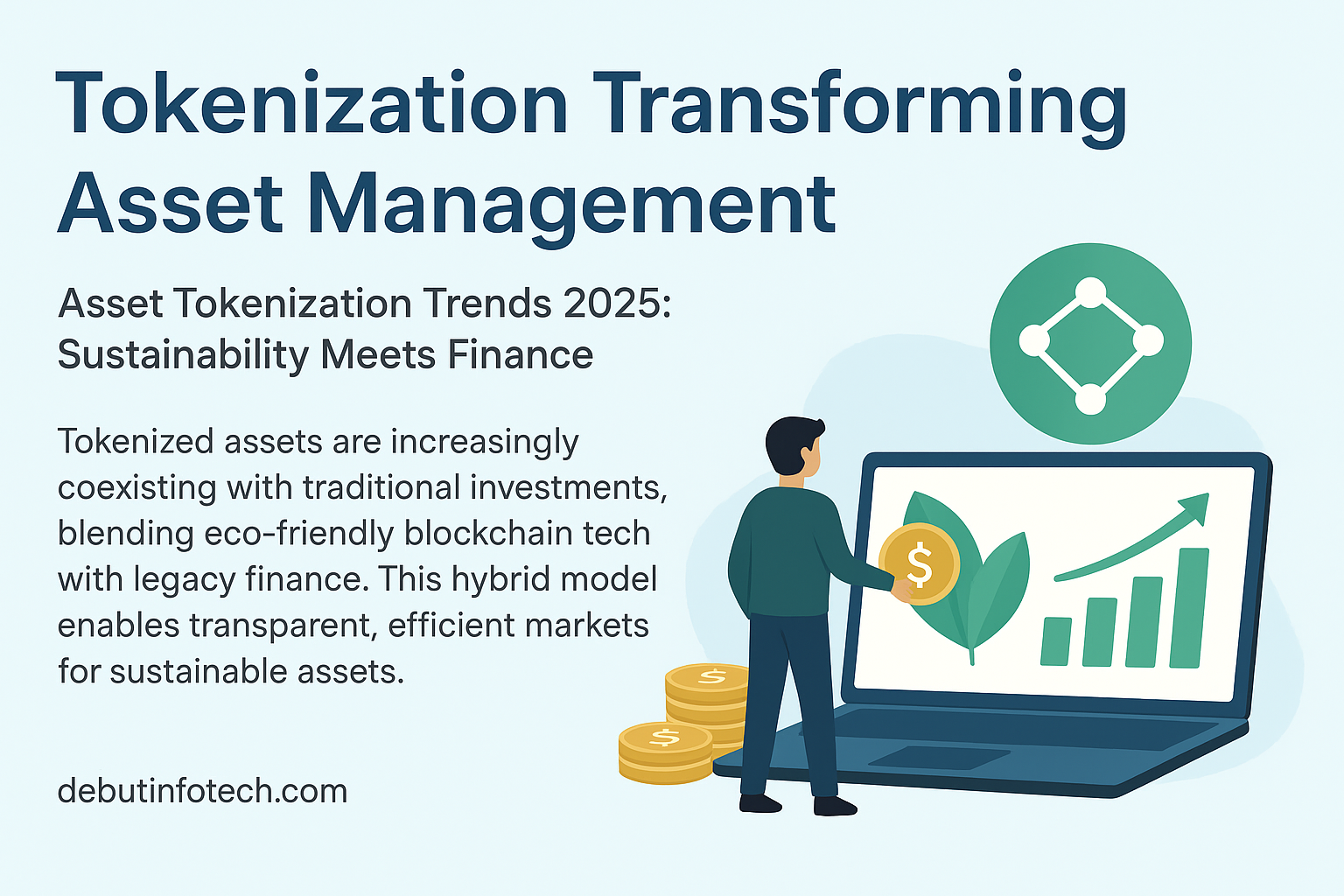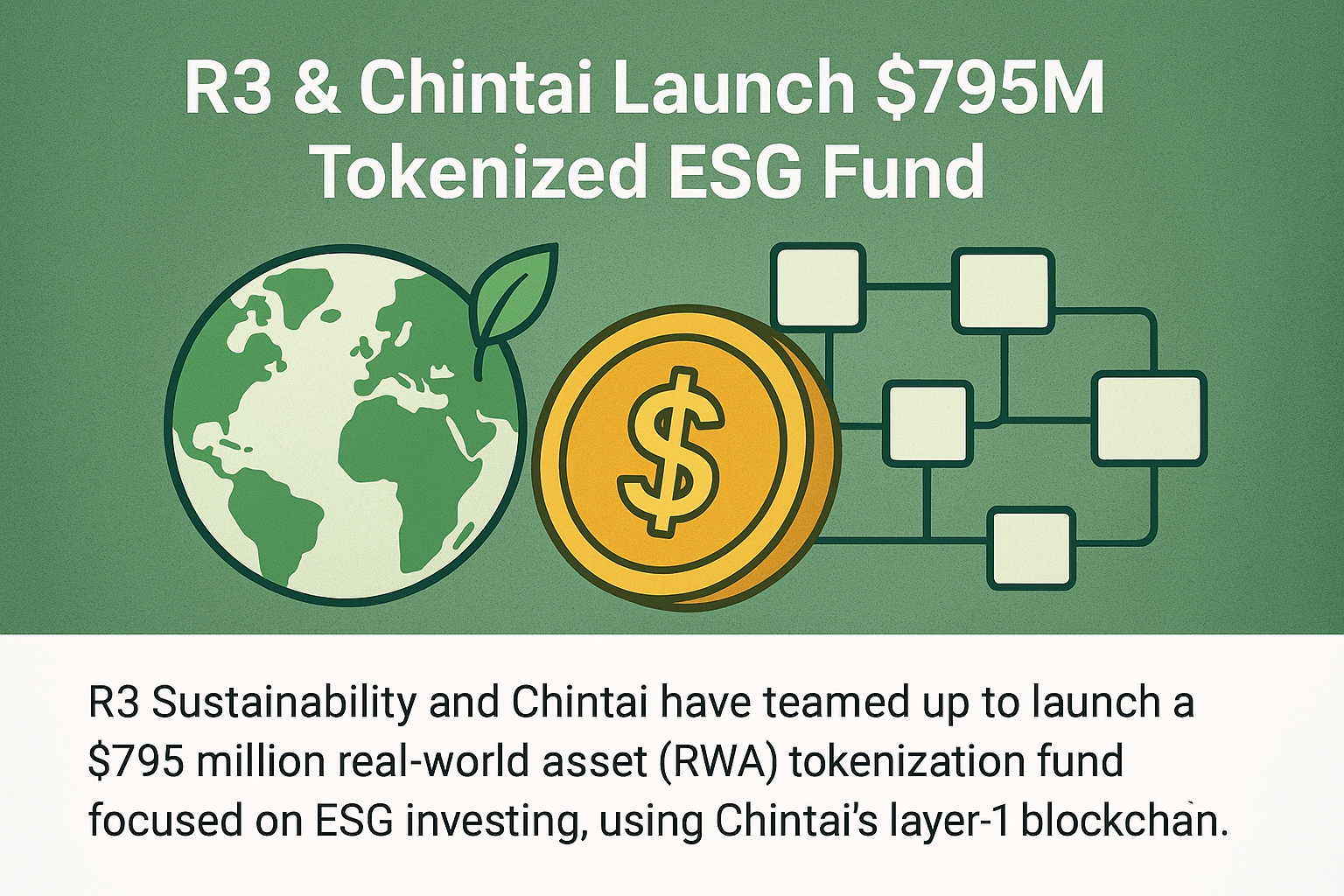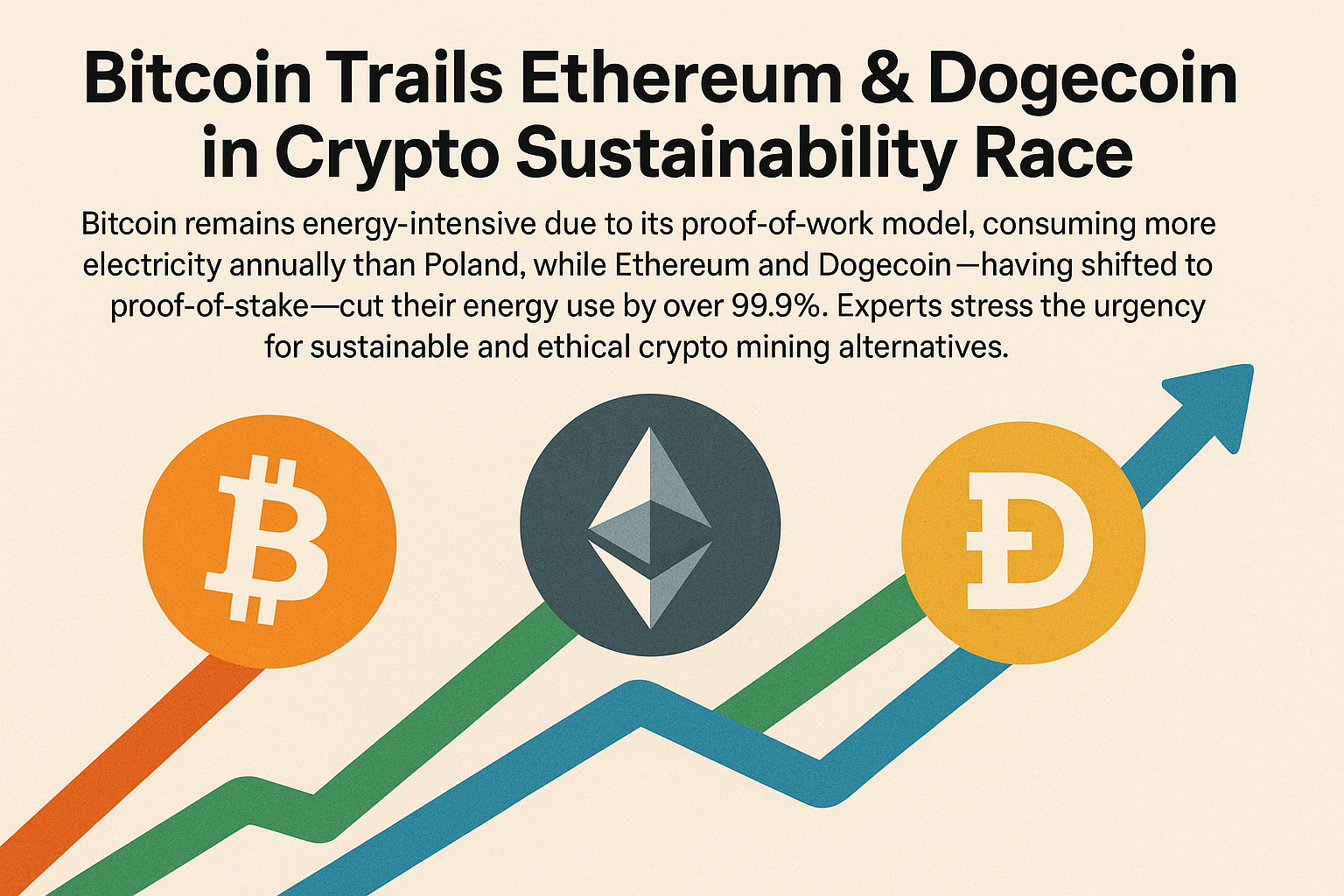
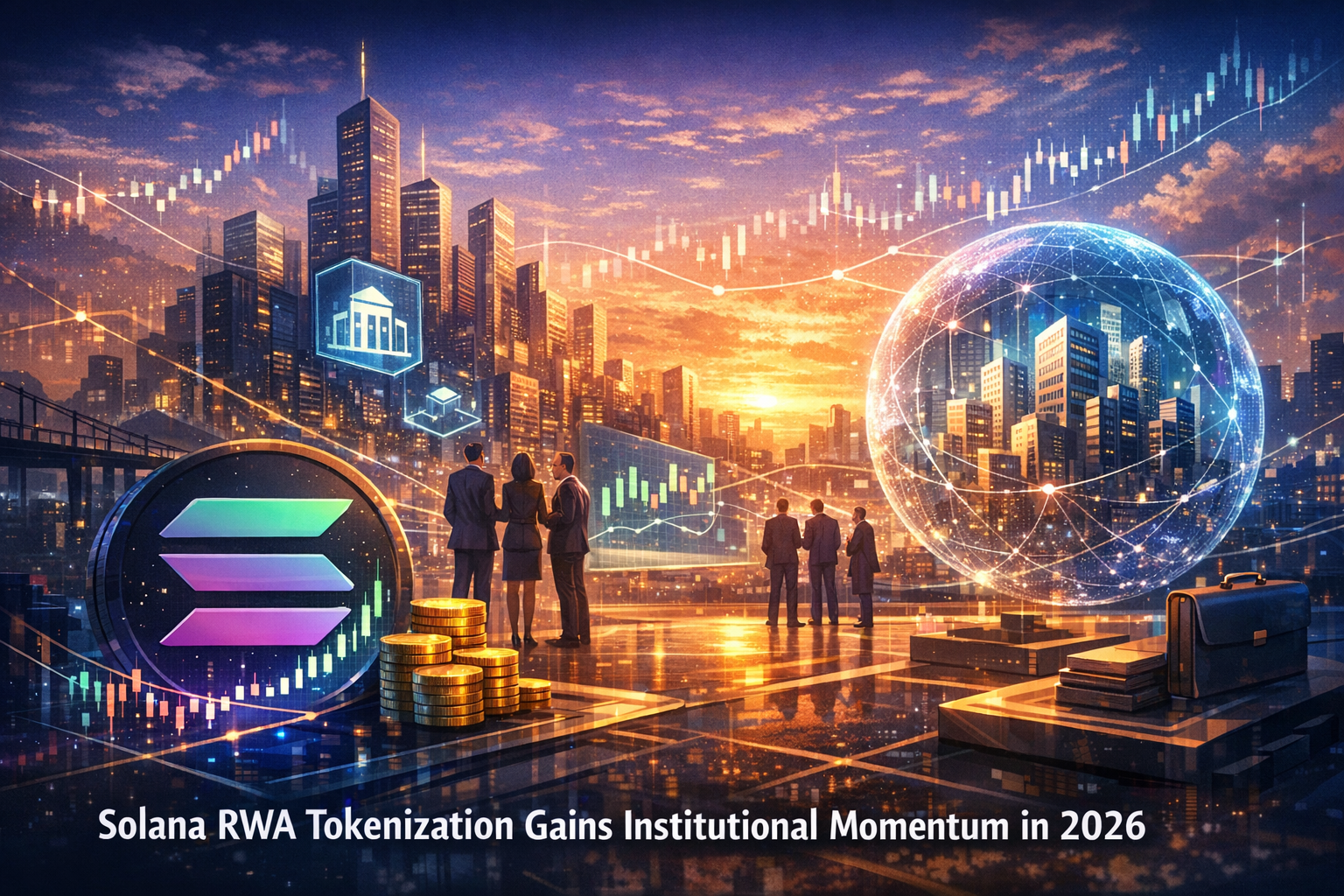
The crypto market of 2026 is no longer driven purely by speculation, memes, or retail hype cycles. Instead, a new narrative has taken center stage—real-world asset (RWA) tokenization, and Solana is emerging as one of the most important blockchains powering this transformation. As institutional investors, asset managers, and regulated financial entities search for scalable, compliant, and efficient infrastructure, Solana-based RWA platforms are gaining serious momentum.
Tokenizing real-world assets such as real estate, bonds, private credit, commodities, and equities is rapidly becoming one of the most compelling use cases for blockchain technology. By turning traditionally illiquid assets into programmable digital tokens, institutions are unlocking liquidity, transparency, and global accessibility at a scale previously impossible.
Why Institutions Are Turning to RWA Tokenization
For decades, institutional finance has struggled with inefficiencies embedded deep within legacy systems. Settlement delays, fragmented ownership records, limited access to private markets, and high administrative costs have long constrained capital flows. RWA tokenization addresses these pain points directly.
Tokenized assets allow fractional ownership, near-instant settlement, automated compliance, and real-time transparency. For institutional players, this means faster capital deployment, improved liquidity management, and broader investor participation without sacrificing regulatory oversight.
In 2026, tokenized RWAs are no longer an experimental concept. They are increasingly viewed as the next evolution of financial infrastructure, blending the reliability of traditional finance with the efficiency of blockchain rails.
Why Solana Is Gaining an Edge
While multiple blockchains compete in the RWA space, Solana stands out for several critical reasons that resonate with institutional requirements.
Solana’s high throughput, ultra-low transaction costs, and fast finality make it uniquely suited for large-scale asset issuance and secondary trading. Institutions operating tokenized funds, bond markets, or real estate portfolios require networks that can process high volumes without congestion or unpredictable fees.
Beyond performance, Solana’s growing ecosystem of compliant tooling, identity frameworks, permissioned token standards, and institutional-grade custody solutions has matured significantly. These developments allow asset managers to implement KYC, AML, transfer restrictions, and jurisdictional controls directly at the protocol level—features that are non-negotiable for regulated capital.
As a result, Solana is increasingly perceived not just as a high-speed Layer 1, but as a serious financial settlement layer.
Institutional Use Cases Driving Adoption
The range of assets being tokenized on Solana continues to expand in 2026. Real estate remains a major focus, with commercial properties, rental portfolios, and development projects being fractionalized into compliant digital shares. These tokens enable global investors to gain exposure to property markets without the traditional barriers of large minimum investments or geographic restrictions.
Private credit and fixed-income products are another rapidly growing segment. Tokenized bonds, treasury products, and structured credit instruments offer programmable yields, automated interest distribution, and transparent collateral tracking. For institutional investors seeking stable returns in a volatile macro environment, these products are especially attractive.
Tokenized funds and ETFs are also gaining traction, allowing asset managers to issue blockchain-native investment vehicles with real-time NAV tracking and on-chain settlement. Combined with Solana’s performance advantages, these products demonstrate how tokenization can outperform legacy fund structures.
Regulation as a Catalyst, Not a Barrier
One of the most notable shifts in 2026 is how regulation is no longer seen as an obstacle to tokenization—but rather a catalyst. Clearer regulatory frameworks across major jurisdictions have given institutions the confidence to deploy capital on-chain.
Solana-based RWA platforms increasingly operate within regulated environments, partnering with licensed custodians, auditors, and compliance providers. Smart contracts are being designed to enforce regulatory rules automatically, reducing human error and operational risk.
This convergence of blockchain technology and regulatory clarity is accelerating institutional adoption at a pace few predicted just a few years ago.
The Broader Market Impact
As more capital flows into tokenized RWAs, the implications for both crypto and traditional finance are profound. Blockchain networks like Solana are no longer peripheral to global finance—they are becoming part of its core infrastructure.
For crypto markets, institutional RWA adoption brings long-term capital, reduced volatility, and sustainable revenue models beyond trading fees and speculation. For traditional finance, it represents a path toward modernization without abandoning regulatory safeguards.
In many ways, RWA tokenization serves as a bridge between two worlds that were once seen as incompatible.
Looking Ahead
By the end of 2026, tokenized real-world assets are expected to represent trillions of dollars in value globally. Solana’s growing role in this transformation positions it at the center of one of the most important shifts in financial history.
As institutions continue to experiment, deploy, and scale tokenized asset strategies, Solana’s ecosystem is likely to benefit from network effects, increased developer activity, and deeper liquidity. What began as a high-performance blockchain for DeFi and NFTs is now evolving into a foundational layer for the future of regulated digital ownership.
The rise of Solana-based RWA tokenization is not just another crypto trend—it is a signal that blockchain finance is entering its institutional era.