It was not a philosopher nor a sci-fi novelist who sounded the alarm. It was a decree from one of the world’s most powerful banks.
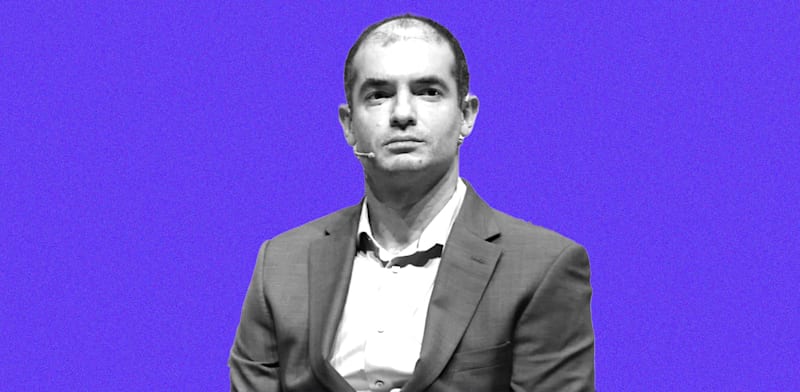
The Boss of JPMorgan Chase, Jamie Dimon, has poured a bucket of cold water on the AI hype cycle, concluding that society may need to slow down the roll out of artificial intelligence if it is going to want to keep its balance.
His comments, which came at a time of growing angst about automation and social decay, “had the effect of a spark in dry grass,” especially among tech leaders who rush ahead at full throttle.
At the heart of the debate lies a simple, almost painfully so question: just because we can have AI all around us, does it mean that we should?
Dimon is concerned that the speed with which this technology will be adopted will outpace workers, governments and institutions’ ability to respond, leading to possible job losses and even social unrest before safety nets are in place.
That sentiment resonates throughout the ranks of finance, where some executives are acknowledging that AI is not just another software upgrade and could be a force that reshapes entire economies as was detailed in the reporting around these comments first noted by the Guardian among others, when it had so much fun covering a debate about whether we slow down AI to “save society.”
Not everyone agrees, of course. On the opposite side of the ring, there’s Nvidia CEO Jensen Huang with a sunny take: He believes AI will actually create more jobs than it destroys, and unlock productivity gains we’ve “barely started to imagine.”
He’s previously said fears of mass unemployment are overblown, a stance that has been widely covered as Nvidia’s chips underpin the AI-based boom, including in interviews spotlighted by business outlets such as CNBC.
And yet Dimon’s caution taps into something bigger than a boardroom spat. Governments are clearly nervous.
European and Asian regulators are writing new rules, while economists caution that the transition could be messy.
The O.E.C.D., for example, has warned that A.I. could radically change labor markets, particularly in white-collar jobs previously considered immune to obsolescence, posing deep questions about retraining and inequality that policymakers are only starting to grapple with.
What’s different about this moment is the tone. This isn’t some abstract policy discussion. It’s personal.
Its effects are tangible when a chatbot takes over a customer service job or when software writes code that previously paid the rent of a junior developer.
Dimon’s remarks resonate because he’s expressing the long-ratified view that social stability counts as much as innovation.
Slow down, put up some guardrails, bring people along – that’s the essence. It’s a feeling even some tech insiders quietly share, according to reporting about internal debates at major companies like OpenAI and Google.
So where does that leave us? Somewhere uncomfortable, probably. The AI train has left the station, and nobody is seriously going to argue that it’s rolling backward.
But maybe, just maybe, it can take its foot off the gas. Dimon isn’t calling for a shutdown; He’s calling for a time out.
And in a world in which technology typically yells “faster, faster,” a forceful voice whispering “hold on a second” is sure to attract attention.
Whether anybody hears is the real question – and one that may well shape how this AI era will be remembered.