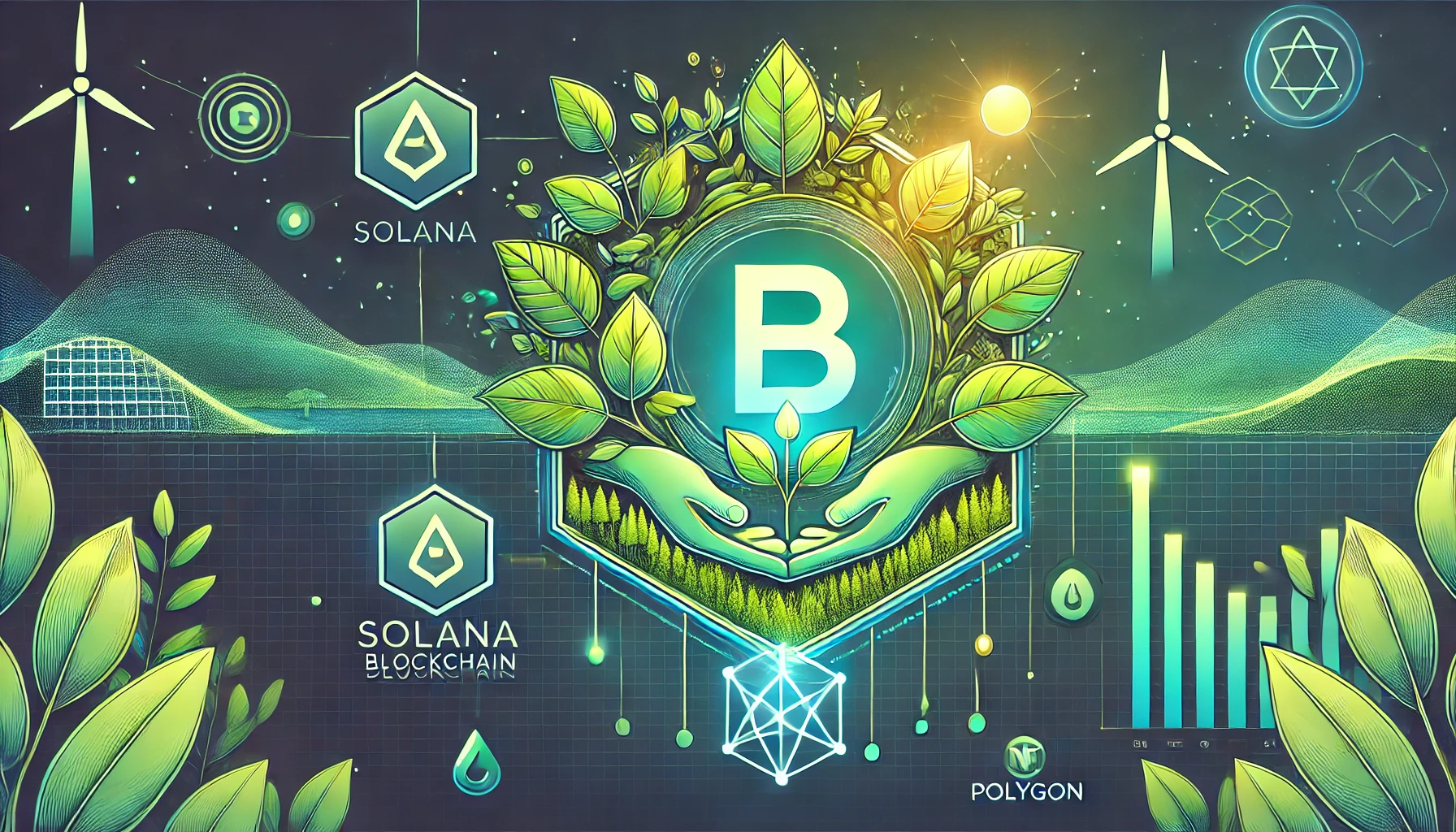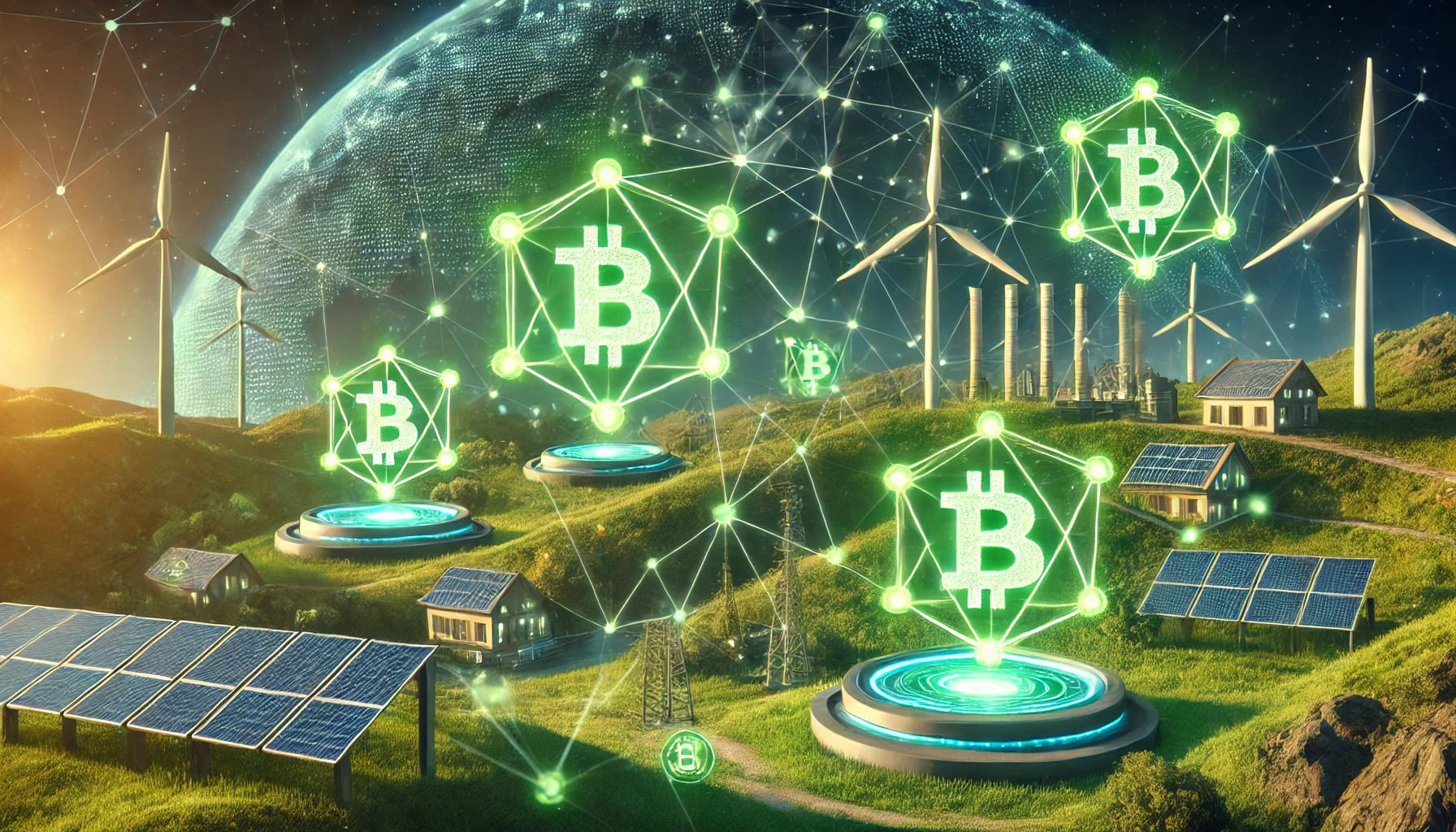

In recent years, the intersection of blockchain technology and environmental sustainability has created a novel form of digital finance: green tokens. These tokens are emerging as a powerful tool to fund real-world environmental initiatives, from reforestation projects to renewable energy certificates (RECs) and carbon offsetting programs. By combining the transparency and efficiency of blockchain with the urgency of environmental action, green tokens are poised to redefine how individuals and organizations invest in the planet’s future.
What Are Green Tokens?
Green tokens are blockchain-based digital assets that represent investments in environmentally friendly projects. Unlike traditional cryptocurrencies, which often focus purely on financial gains, green tokens are linked to tangible environmental outcomes. When you purchase or hold a green token, your investment directly supports initiatives that reduce carbon emissions, restore ecosystems, or generate renewable energy.
The concept is simple yet powerful: tokenize the impact. Each token corresponds to a specific measurable outcome, such as one tree planted, one megawatt-hour of renewable energy generated, or one ton of CO₂ offset. This allows investors to track their environmental contributions in real-time and ensures accountability for project developers.
How Green Tokens Are Transforming Environmental Funding
Historically, funding for environmental initiatives has been fragmented and reliant on donations, government grants, or traditional investment mechanisms. Green tokens streamline this process by creating a decentralized, easily accessible marketplace. Anyone with an internet connection can now participate in funding a reforestation project in Brazil, purchase RECs from a solar farm in Thailand, or offset carbon emissions from a local business in Europe.
Additionally, the transparency of blockchain reduces the risk of greenwashing. Investors can verify how funds are used and monitor progress on environmental metrics. Smart contracts automate the allocation of funds and issuance of tokens based on project milestones, creating a system where financial incentives are directly tied to ecological outcomes.
Examples of Green Token Applications
-
Reforestation Projects: Companies and individuals can buy green tokens representing newly planted trees. The blockchain ensures that trees are indeed planted and maintained, allowing investors to see the direct impact of their contributions.
-
Renewable Energy Certificates (RECs): Green tokens can be tied to energy generated from wind, solar, or hydro sources. Token holders effectively fund renewable energy generation and receive proof of their environmental contribution.
-
Carbon Offsetting Programs: Businesses can purchase green tokens to offset carbon emissions, helping meet sustainability targets and regulatory requirements while supporting verified environmental projects.
Challenges and Considerations
While green tokens offer exciting opportunities, the market is still in its infancy. Standardization and regulation are limited, which means investors must carefully assess the credibility of token issuers and the environmental projects they support. Additionally, the energy consumption of blockchain networks has come under scrutiny, making it essential for green token platforms to adopt sustainable, energy-efficient protocols.
Looking Ahead
The rise of green tokens marks a shift in how we think about investment, sustainability, and accountability. By connecting financial incentives with environmental impact, these tokens offer a pathway to fund global initiatives at an unprecedented scale. As technology evolves and adoption grows, green tokens could become a cornerstone of the sustainable economy, enabling everyday investors to contribute meaningfully to a healthier planet.