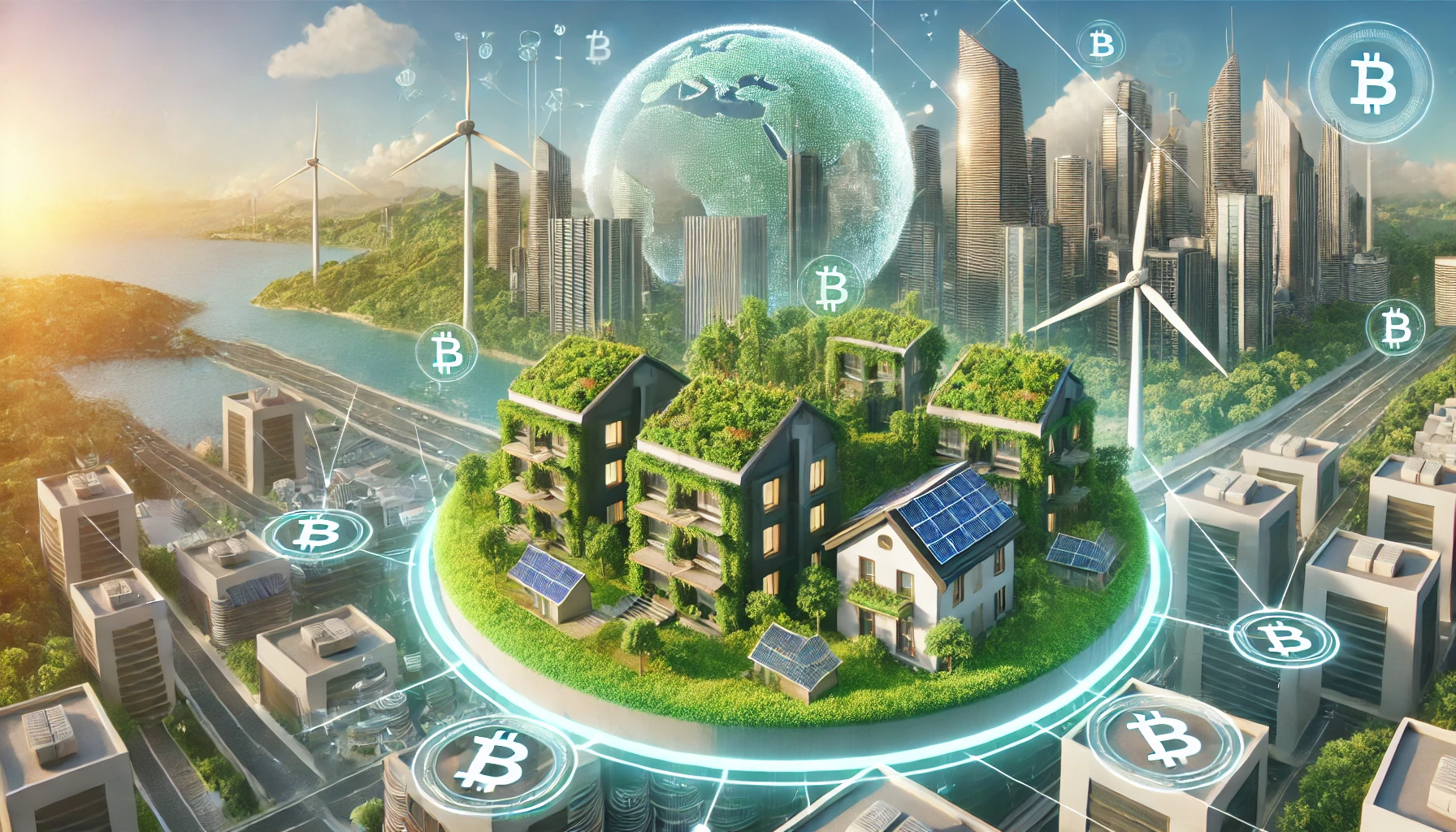
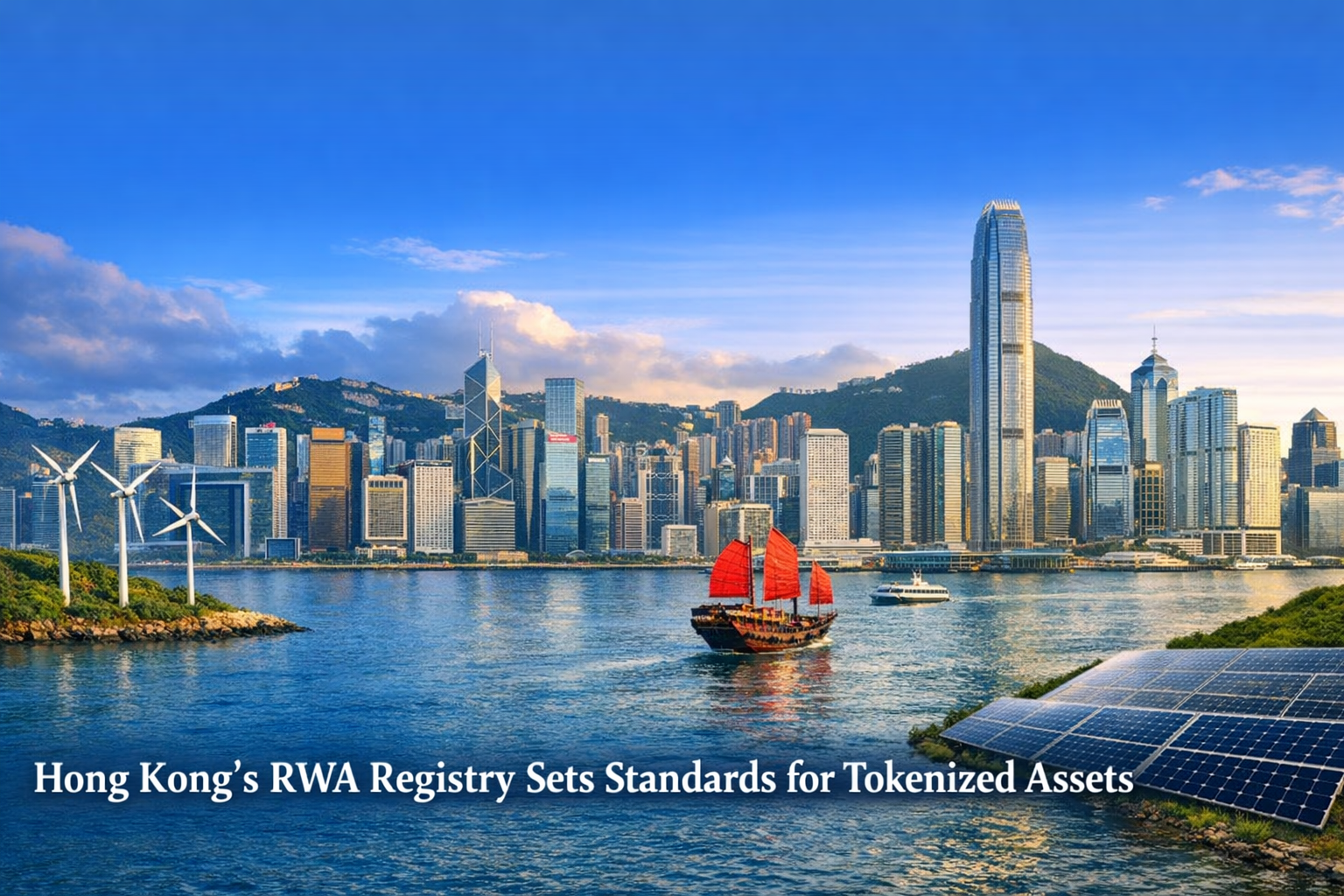
Hong Kong has taken a decisive step toward shaping the future of real-world asset (RWA) tokenization with the launch of its new RWA Registry and accompanying technical and business standards. The initiative signals the city’s ambition to become a global hub for compliant, transparent, and sustainable digital asset innovation—especially for tokenized assets linked to real-world projects such as green infrastructure, sustainable real estate, and climate-focused investments.
As tokenization continues to bridge traditional finance and blockchain technology, one of the industry’s biggest challenges has been fragmentation. Different platforms, legal interpretations, data models, and verification processes have made it difficult for investors to fully trust or compare tokenized assets across jurisdictions. Hong Kong’s new framework aims to address this problem head-on.
What Is the Hong Kong RWA Registry?
The RWA Registry is a centralized reference framework designed to standardize how real-world assets are issued, represented, verified, and managed on-chain. Rather than acting as a trading venue itself, the registry provides a structured foundation that tokenization platforms, issuers, and institutional participants can align with.
The registry focuses on assets that have clear real-world economic value and measurable impact—particularly those tied to sustainable development goals. This includes renewable energy projects, carbon-related instruments, green bonds, infrastructure assets, and real estate developments with verified ESG credentials.
By defining clear criteria for asset eligibility, data disclosure, and lifecycle management, Hong Kong is creating a trusted environment where tokenized RWAs can scale responsibly.
Technical Standards: Bringing Consistency to Tokenization
One of the most important aspects of the initiative is the release of detailed technical standards. These standards outline how tokenized assets should be structured at the smart contract level, how ownership and rights are represented, and how off-chain data is securely linked to on-chain records.
Key technical elements include:
-
Standardized token metadata formats to ensure consistency across platforms
-
Clear definitions for ownership rights, cash flow entitlements, and transfer restrictions
-
Interoperability guidelines to support multi-chain environments
-
Secure oracle frameworks for connecting real-world data to blockchain systems
By addressing these issues upfront, Hong Kong reduces the risk of poorly designed tokens that could lead to legal ambiguity or investor disputes in the future.
Business Standards and Governance Frameworks
Beyond technology, the registry also introduces business and governance standards that define how issuers and service providers should operate. These guidelines cover disclosure requirements, risk reporting, asset valuation methods, and ongoing compliance obligations.
Issuers are expected to provide transparent documentation proving asset existence, legal ownership, and alignment with sustainability goals. Regular reporting ensures that token holders receive up-to-date information on asset performance, environmental impact, and operational risks.
This approach mirrors the discipline of traditional capital markets while preserving the efficiency and programmability of blockchain-based systems.
Why Sustainability Is at the Core
Unlike many tokenization efforts that focus purely on financial efficiency, Hong Kong’s RWA Registry places strong emphasis on sustainability. Assets linked to renewable energy, environmental protection, and climate-positive infrastructure are a central priority.
This alignment reflects growing institutional demand for ESG-compliant investment opportunities that offer both financial returns and measurable impact. Tokenization allows these assets to be fractionalized, making them accessible to a broader pool of investors while maintaining transparency through immutable on-chain records.
By embedding sustainability standards into the tokenization framework itself, Hong Kong positions RWAs as a credible tool for financing the green transition.
Implications for Global Markets
Hong Kong’s move could have far-reaching consequences beyond its own jurisdiction. As more countries explore tokenization, the lack of harmonized standards has been a major obstacle to cross-border adoption. The RWA Registry provides a blueprint that other financial centers may reference or adopt.
For institutional investors, standardized RWAs reduce due diligence complexity and operational risk. For issuers, clear guidelines lower regulatory uncertainty and speed up time-to-market. For the broader crypto ecosystem, the initiative strengthens the narrative that blockchain can support real economic value—not just speculative trading.
A Step Toward Institutional-Grade Tokenization
With its RWA Registry and comprehensive standards, Hong Kong is sending a clear message: tokenization is no longer an experimental concept, but an emerging pillar of modern finance. By combining regulatory clarity, technical rigor, and sustainability principles, the city is laying the groundwork for institutional-grade adoption of real-world assets on-chain.
As global capital continues to seek transparent, efficient, and impact-driven investment opportunities, frameworks like Hong Kong’s may become essential building blocks of the next financial system—one where digital assets and real-world value finally converge.