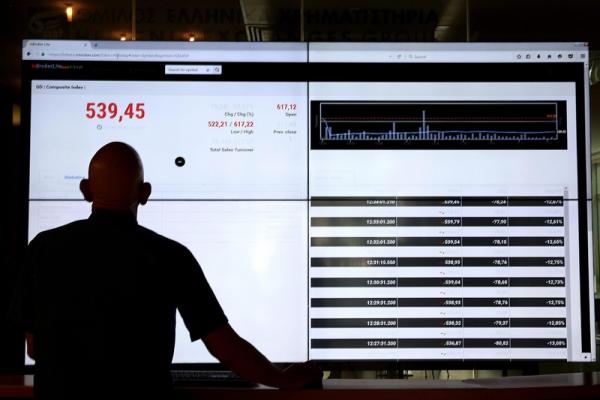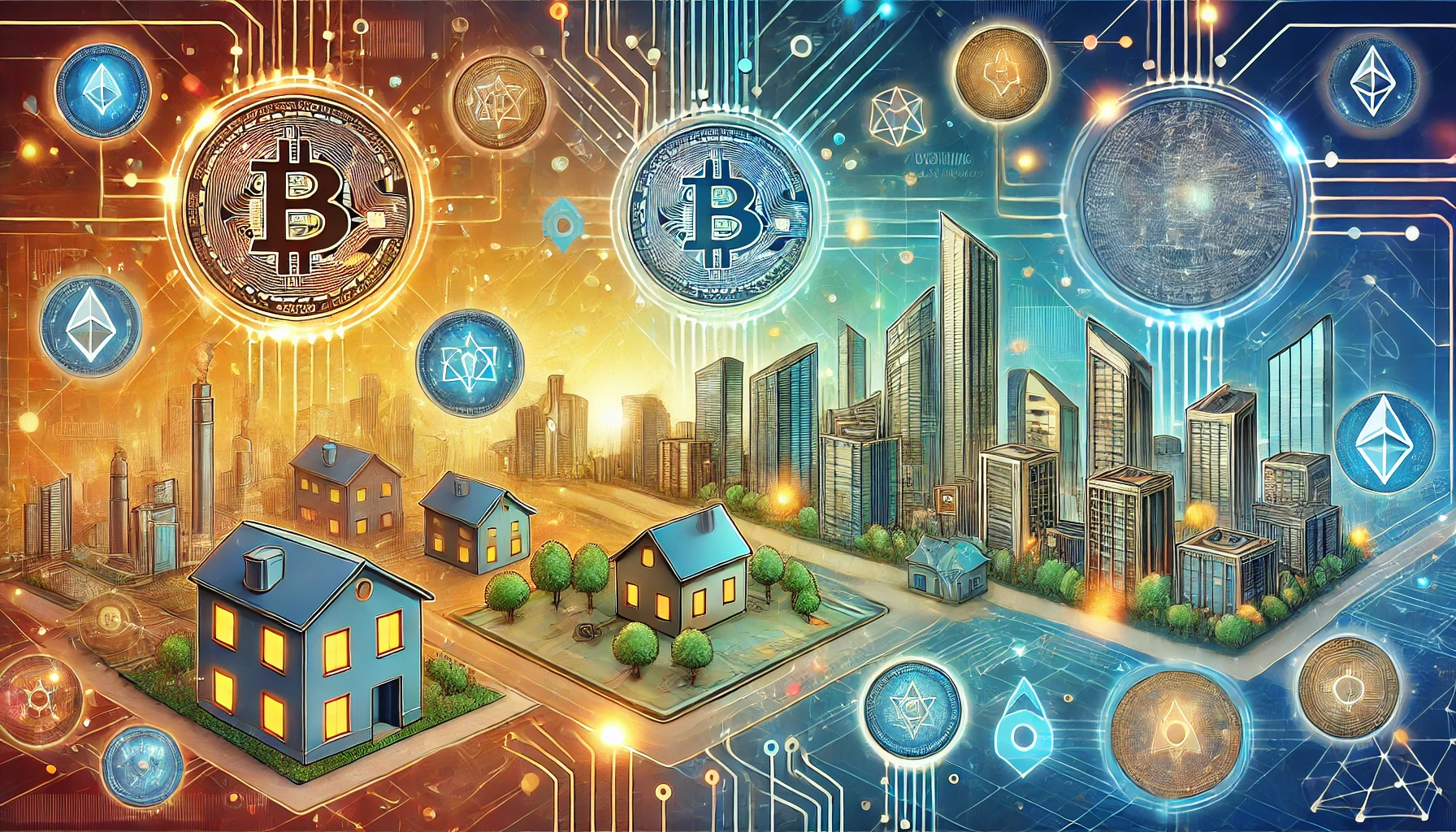
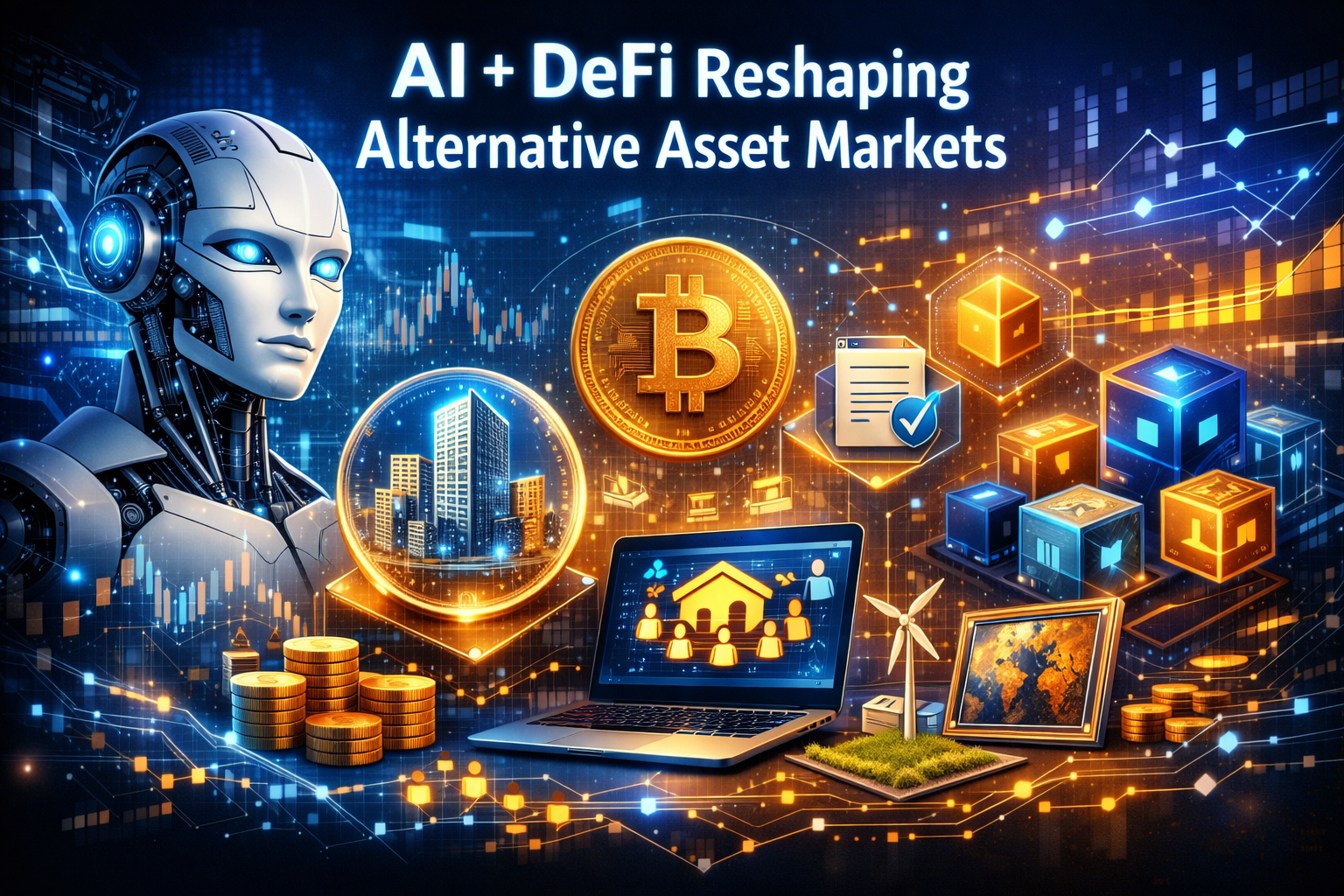
For decades, global finance has revolved around a familiar core: stocks, bonds, and traditional real estate. But a quiet revolution is unfolding—one powered by artificial intelligence (AI), decentralized finance (DeFi), and the rapid rise of alternative assets. Together, these forces are redefining how value is created, accessed, and exchanged in the modern economy.
The Rise of Alternative Assets
Alternative assets—such as tokenized real estate, digital collectibles, private equity, commodities, and fractional ownership models—are no longer niche investments reserved for institutional players. Blockchain technology has made it possible to divide traditionally illiquid assets into smaller, tradable units. This means investors can now own a fraction of a luxury property, artwork, or infrastructure project with just a few clicks.
Tokenization is the key enabler here. By representing real-world assets as digital tokens on a blockchain, ownership becomes transparent, transferable, and programmable. This shift is unlocking liquidity in markets that were once slow, opaque, and inaccessible.
DeFi: Rewriting the Financial Rulebook
Decentralized finance removes intermediaries such as banks and brokers, replacing them with smart contracts that execute transactions automatically. In the world of alternative assets, DeFi enables:
-
Peer-to-peer lending backed by tokenized collateral
-
Instant global settlement without traditional clearing houses
-
Yield generation through decentralized liquidity pools
-
Borderless access to investment opportunities
This shift dramatically reduces costs, increases transparency, and opens global markets to participants who were previously excluded from traditional finance.
AI as the Intelligence Layer
While DeFi provides the infrastructure, AI brings intelligence to the system. Advanced algorithms analyze vast datasets to assess risk, predict asset performance, detect fraud, and optimize portfolios in real time. In alternative markets—where data is often fragmented or illiquid—AI plays a crucial role in valuation and decision-making.
AI-driven tools can:
-
Forecast demand for tokenized assets
-
Automate compliance and risk scoring
-
Personalize investment strategies
-
Identify market inefficiencies faster than human analysts
The result is a more adaptive and efficient financial ecosystem.
Fractional Ownership: Democratizing Wealth
One of the most powerful outcomes of this convergence is fractional ownership. Investors no longer need millions to access premium assets. A single property, artwork, or renewable energy project can be divided among thousands of participants, each holding a verifiable stake.
This model not only democratizes access but also improves diversification and liquidity—two long-standing challenges in alternative investing.
What This Means for the Future of Finance
The convergence of AI, DeFi, and alternative assets signals a fundamental shift away from centralized, institution-driven finance toward a more open, programmable, and inclusive system. As regulation evolves and infrastructure matures, we are likely to see:
-
Greater institutional adoption of tokenized assets
-
Smarter, AI-driven investment platforms
-
Increased global participation in alternative markets
-
New financial products that blend automation with ownership
The financial world is no longer just about stocks and bonds. It’s becoming a dynamic, digital ecosystem where intelligence, decentralization, and accessibility define value.
The finance revolution is already underway—and those who understand its mechanics today will help shape tomorrow’s global economy.