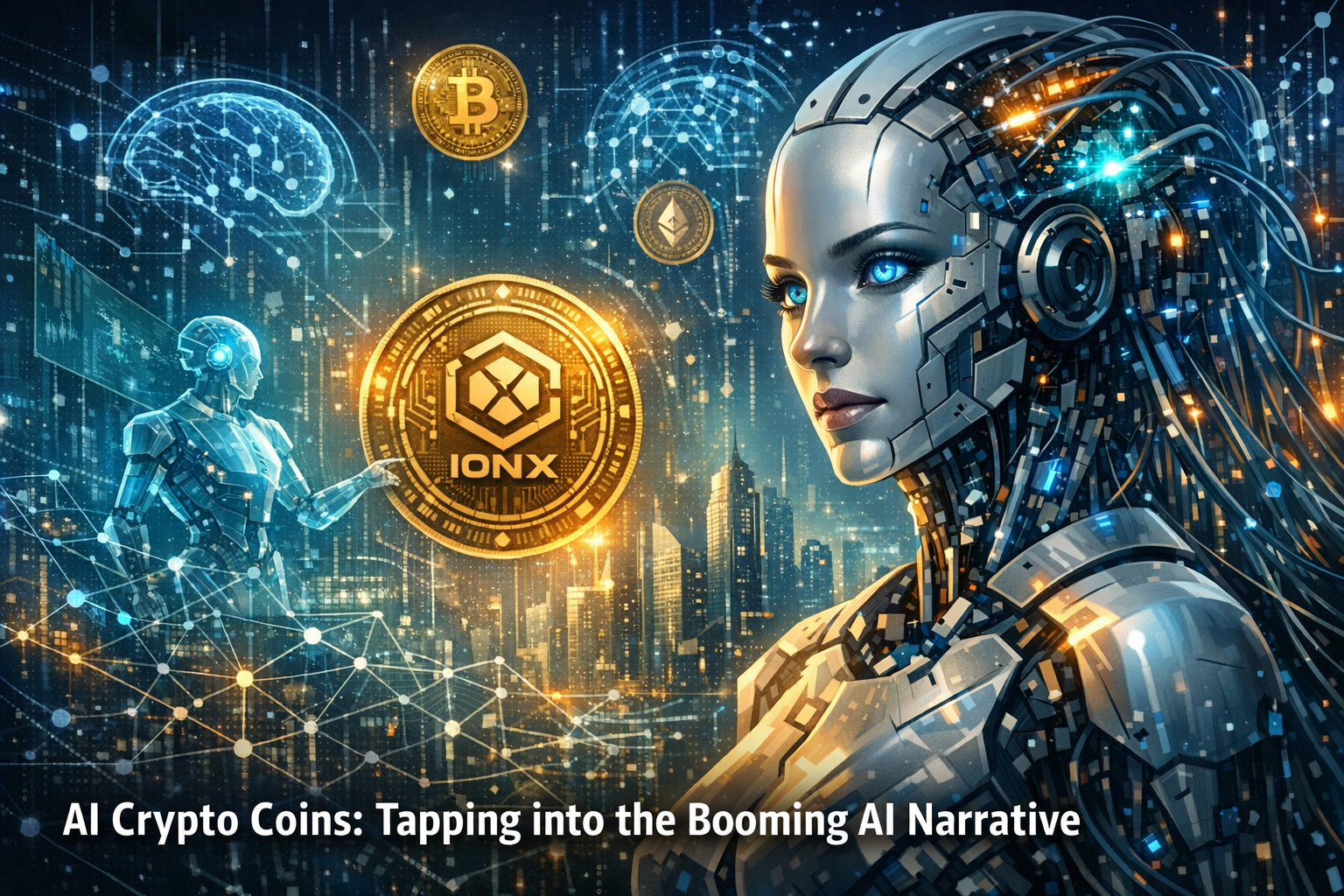
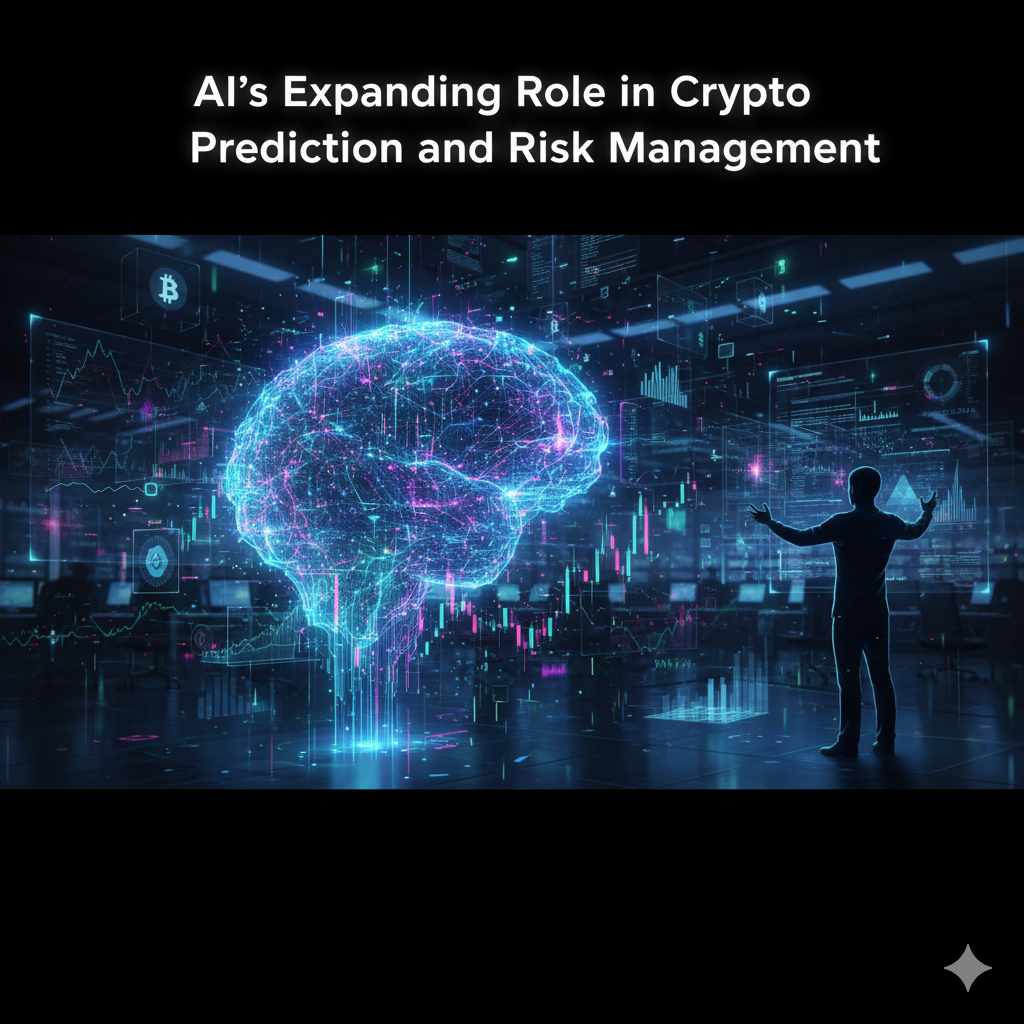
In the past decade, the cryptocurrency market has evolved from a niche experiment into a global financial ecosystem. As trading volumes, institutional participation, and regulatory oversight have increased, so has the complexity of navigating digital-asset markets. Today, artificial intelligence (AI) is emerging as one of the most transformative forces reshaping how investors analyze, predict, and manage crypto-market behaviour.
From real-time sentiment analytics to predictive modeling and automated risk-management systems, AI-driven tools are rapidly becoming indispensable. According to insights from PayBitoPro, the integration of AI, big data, and machine learning is no longer optional—it is becoming a fundamental part of modern digital-asset investing.
The New Frontier: AI-Powered Market Prediction
Crypto markets move at a pace unmatched by traditional finance. Prices swing within minutes, narratives shift instantly, and global information flows influence investor behaviour around the clock. This volatility has made accurate prediction incredibly difficult—until now.
AI models trained on massive datasets can detect subtle market patterns far earlier than humans. These models ingest:
-
Real-time market feeds
-
Order-book imbalances
-
Historical price movements
-
News cycles and social-media sentiment
-
Macro-economic indicators
By processing millions of data points in seconds, machine-learning systems can forecast short-term price trends, identify market anomalies, and estimate probabilities of sharp upward or downward movements. While no model is perfect, AI adds a powerful statistical foundation to an otherwise fast-moving and noisy environment.
Sentiment Analysis: Understanding the Market’s Emotional Pulse
Unlike traditional markets, crypto sentiment is heavily influenced by social dynamics—X (formerly Twitter), Reddit, Telegram groups, and global news reactions can move prices faster than fundamentals.
AI-driven sentiment-analysis tools scrape and analyze thousands of posts and conversations, assigning real-time sentiment scores to assets such as Bitcoin, Ethereum, and altcoins. This enables traders to detect:
-
sudden hype waves
-
emerging FUD (fear, uncertainty, doubt)
-
coordinated sentiment shifts
-
early indicators of community interest
When combined with market data, sentiment algorithms help investors understand not only what is happening, but why.
Transaction Data Monitoring: Spotting Risks Before They Emerge
Blockchain transparency has created a goldmine of data—wallet movements, smart-contract interactions, whale transactions, and DeFi activity. AI systems can continuously monitor these on-chain signals to detect:
-
abnormal wallet transfers
-
liquidity manipulation
-
sudden exchange inflows/outflows
-
potential rug-pull risks
-
systemic vulnerabilities in decentralized protocols
These insights help traders and institutions stay ahead of high-impact events that could influence asset valuations or market stability.
AI for Risk Management: Building Stronger Guardrails
Crypto risk is multidimensional—price volatility, regulatory shifts, liquidity crunches, and technical failures are all part of the landscape. AI-based risk-management platforms can rank and quantify these risks by analyzing:
-
historical volatility
-
smart-contract audits and exploit patterns
-
liquidity fragility
-
correlated asset behaviour
-
exchange solvency or credibility
Institutions increasingly rely on AI to automatically adjust exposure, rebalance portfolios, or trigger protective strategies (like hedging or stablecoin conversion) in response to changing conditions.
The Fusion of AI, Big Data, and Crypto Is Now Inevitable
As digital assets move toward mass adoption, AI will become the backbone of next-generation trading infrastructure. The relationship between crypto and AI is becoming symbiotic:
-
AI improves crypto trading efficiency
-
Blockchain provides transparent, high-quality datasets
-
Big data enables deeper predictive capabilities
Together, they form one of the most powerful technological alignments in modern finance.
The future of digital-asset investing will be shaped not only by innovation in blockchain—but by the intelligence derived from the data surrounding it.